Best Things To Do in Coober Pedy | Comprehensive Guide
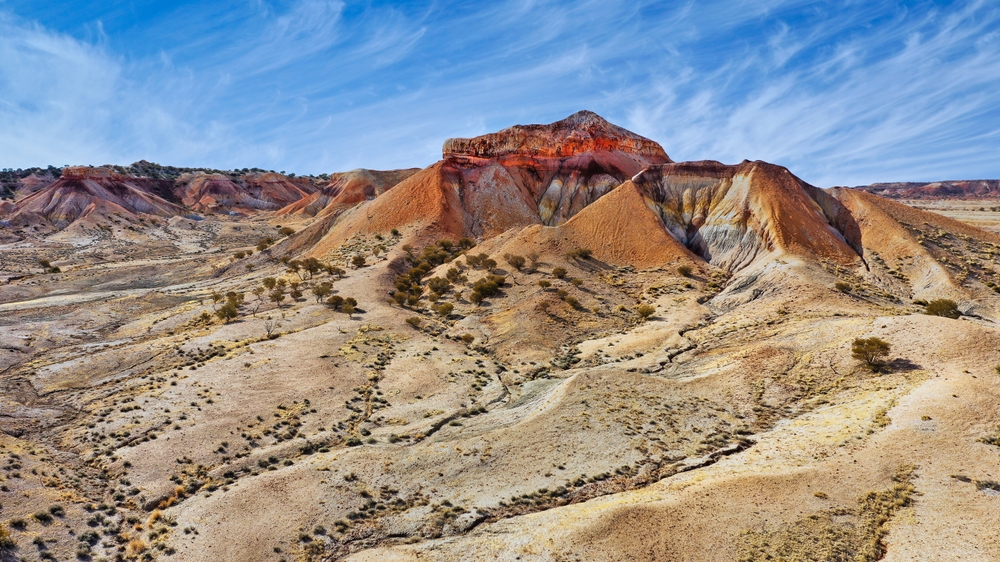
The best things to do in Coober Pedy include exploring an underground opal mine, visiting a historic dugout home, seeing the town’s rock-carved churches, trying opal noodling, watching the desert change colour at Kanku-Breakaways and catching a film at the drive-in cinema.
Allow at least two days to experience the main attractions in Coober Pedy without rushing. A third day gives RV travellers more time for outlying scenery, local tours and a slower look around the opal-mining town.
Coober Pedy is approximately 840 to 850 kilometres north of Adelaide via sealed highways, making it a major stop on a South Australian outback road trip rather than a quick roadside break. The town is accessible to most caravans and motorhomes, although some attractions outside the centre involve unsealed roads and require separate road-condition checks.
What Are the Best Things To Do in Coober Pedy?
The best Coober Pedy attractions combine underground history, opal mining and desert scenery. First-time visitors
should prioritise:
- Old Timers Mine for an early hand-dug mine experience.
- Umoona Opal Mine and Museum for a broad introduction to local geology and history.
- Faye’s Underground Home to see how residents adapted to the outback climate
- The underground churches for unusual rock-cut architecture.
- Kanku-Breakaways Conservation Park for the region’s most striking natural scenery.
- Opal noodling for a hands-on mining activity.
- The Coober Pedy Drive-In for a distinctive evening out.
- The Big Winch for elevated views across the town and mining landscape.
What Should You Know Before Visiting Coober Pedy?
The main highways approaching Coober Pedy are sealed, so the town is accessible to most caravans, campervans and motorhomes. That does not mean every side road or attraction suits every vehicle. Several outlying sites use unsealed roads, and conditions can change after rain.
Before leaving a major regional centre, fill with fuel, carry extra drinking water and download offline maps. Avoid unnecessary driving around dawn, dusk and at night, when wildlife is harder to see. Check current road, weather and attraction information with the District Council of Coober Pedy, the Visitor Information Centre and the relevant park or attraction operator.
Planning the drive from Adelaide? Check out our Adelaide to Coober Pedy Road Trip guide for suggested stops, drive times and caravan travel tips.
Coober Pedy Trip Planner at a Glance
Key detail | Planning guidance |
Distance from Adelaide | Approximately 840 to 850 km by road |
Distance from Alice Springs | Approximately 680 km by road |
Recommended stay | Two days for the main attractions; three days for a slower visit and outlying trips |
Best general travel period | April to October, when daytime conditions are usually more comfortable |
Main experiences | Underground homes and museums, opal history, churches, desert scenery, noodling and the drive-in cinema |
Main-road access | Coober Pedy is reached by sealed highways |
Outlying access | Several attractions use unsealed roads; check conditions for your vehicle and towing setup |
RV planning | Fill with fuel, carry drinking water, download offline maps and avoid unnecessary night driving |
Park entry | A vehicle entry fee applies at Kanku-Breakaways |
Current information | Check council road information, attraction operators and the Desert Parks Bulletin before travelling |
How Many Days Should You Spend in Coober Pedy?
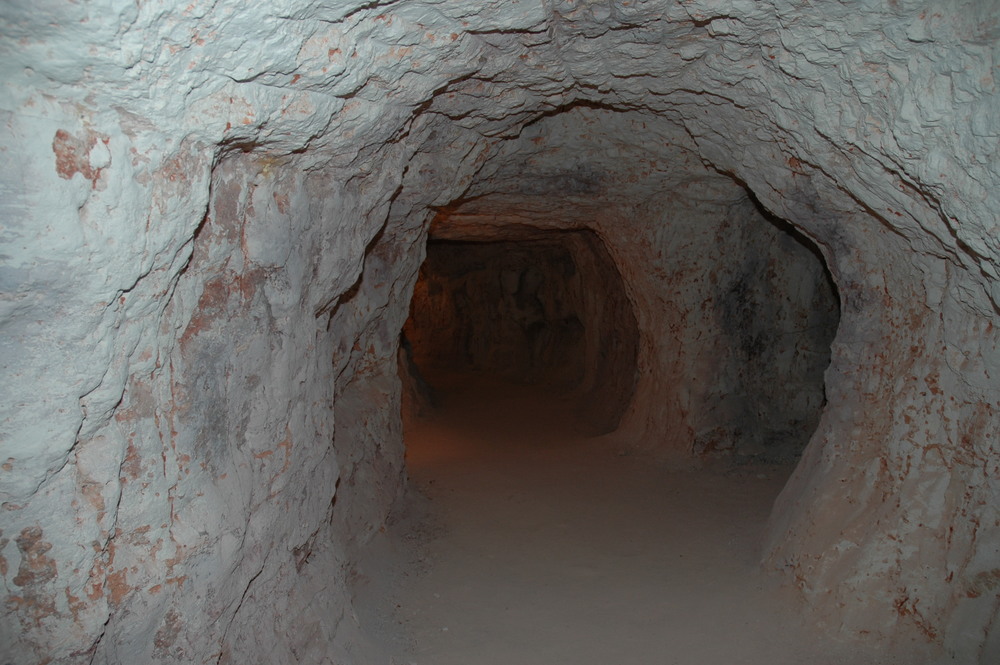
Umoona Opal Mine
Two days is enough to see Coober Pedy’s main attractions at a comfortable pace. Stay for three days if you want more time for Kanku-Breakaways, local tours, opal shopping or a slower RV itinerary.
One Day in Coober Pedy
With only one day, focus on the experiences that best explain the town.
- Morning: Visit Old Timers Mine or Umoona Opal Mine and Museum, then see one or two underground churches.
- Afternoon: Tour Faye’s Underground Home, browse several opal showrooms and stop at the Big Winch lookout.
- Evening: Check whether the drive-in cinema is screening a film. If not, enjoy dinner in town and stargaze away from bright lights.
One day covers the highlights, but it leaves little flexibility for tours, road delays or changing conditions.
Two Days in Coober Pedy
A two-day stay suits most first-time visitors.
- Day one: Old Timers Mine, Umoona Opal Mine and Museum, Faye’s Underground Home, the underground churches, opal shopping or noodling, and the drive-in if operating.
- Day two: Visit Kanku-Breakaways after checking road conditions and entry requirements. Add Moon Plain, Josephine’s Gallery and Kangaroo Orphanage, and finish at the Big Winch or another town lookout.
Three Days in Coober Pedy
With a third day, you can take things at a slower pace. Join an outback tour, spend more time exploring the opal-mining history, book a scenic flight, visit a few smaller local sites or use the day to rest, restock and prepare for the next leg of your trip.
What Are the Best Underground Attractions in Coober Pedy?
The town's most distinctive character lives below ground, and the best Coober Pedy attractions reflect that.
Attraction | Best for | Main difference | Suggested time |
Old Timers Mine | Early mining history | Preserved hand-dug mine and self-guided experience | About 1 hour |
Umoona | Broad first-time overview | Museum, cinema, fossils, cultural and opal displays | 1 to 2 hours |
Faye’s Underground Home | Underground residential life | Hand-excavated private dugout history | About 30 to 60 minutes |
Underground churches | Architecture and short visits | Religious spaces carved into rock | Around 15 to 30 minutes each |
Old Timers Mine
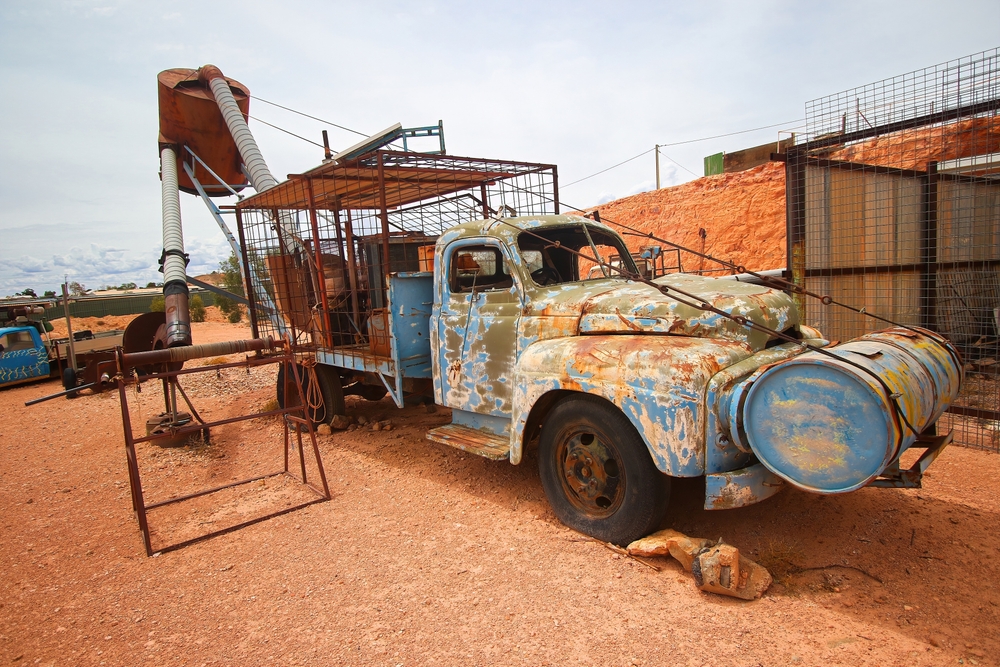
Rusted Blower Truck, Old Timers Mine
The Old Timers Mine is an original hand-hewn opal mine dating back to 1916. Discovered by accident in the 1960s, the museum features an original underground home from the 1920s and a collection of historical artefacts. Self-guided tours are available with a miner's hard hat included. Visitors can fossick through tailings heaps for opal fragments, and there are unpowered campsites directly adjacent to the mine – a practical base if you want to walk to the attraction from your RV.
Allow about an hour for the visit. It suits families and first-time visitors who want a clear introduction to early mining methods without committing to a long tour.
Best for: Early mining history and a self-guided underground experience.
Umoona Opal Mine and Museum
Umoona Opal Mine has been converted into the town's largest single underground tourist attraction. The site includes a working mine, dugout home display, and short film covering the history of opal discovery in the region. The central location makes it easy for RV travellers to combine a visit here with nearby opal shopping.
Compared with Old Timers Mine, Umoona offers a broader museum-style experience rather than focusing mainly on the preserved workings of an early hand-dug mine. Allow around one to two hours, depending on whether you join a guided tour and spend time in the displays and showroom.
Best for: First-time visitors, families and travellers who want several aspects of Coober Pedy’s history in one stop.
Faye's Underground Home & Opal Mine
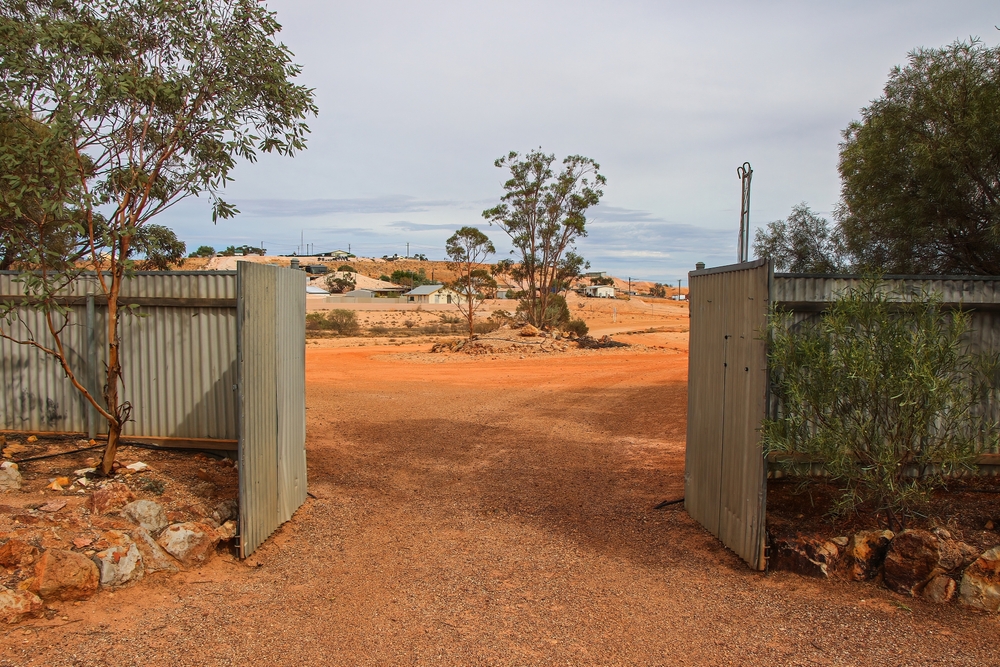
One of the more personal underground experiences in town, Faye's Underground Home is a hand-excavated dugout carved by three women over decades. The rooms include a master bedroom 8m below ground and a swimming pool, giving a clear picture of the ingenuity behind outback underground living.
This stop is less about a formal mine museum and more about the practical ingenuity behind underground living. Allow about 30 to 60 minutes, subject to current tour arrangements.
Best for: Travellers interested in local homes, social history and the realities of underground living.
Underground Churches
Coober Pedy has several underground churches, each carved directly into the rock. The Catacomb Church is named after the ancient catacombs in Rome. The Serbian Orthodox Church of Saint Elijah the Prophet is another outstanding example, with walls lined with decorative windows and rock-carved statues. Both are open to visitors and make for a quiet half-hour stop.
Best for: Architecture, local history and short stops that can be combined with nearby town attractions.
Above-Ground Coober Pedy Attractions
The best above-ground attractions in Coober Pedy include the Big Winch lookout, Moon Plain, Josephine’s Gallery and Kangaroo Orphanage, the Steel Tree and the historic drive-in cinema. These stops add landscape, wildlife, art and evening entertainment to the town’s better-known underground experiences.
The Big Winch and Moon Plain
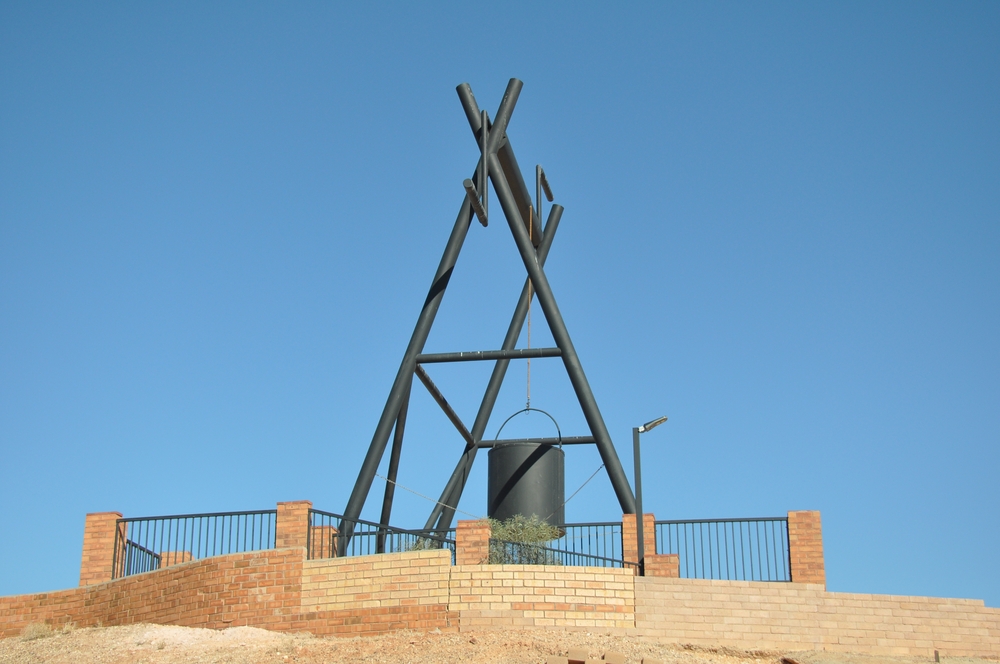
Big Winch Lookout
The Big Winch is a structure on the edge of town overlooking the opal fields – one of the better spots for sunset drinks without leaving the town boundary. Families can check out the Big Winch 360-degree indoor cinema experience, which runs hourly during the day and surrounds viewers with sights and sounds of Coober Pedy and the outback.
Nearby, the Steel Tree – a welded-metal structure built when Coober Pedy’s arid landscape had virtually no natural trees – is a well-known part of local character. The Moon Plain, on the road out toward the Breakaways, is a flat, dry landscape that has been used as a film location several times for its cracked, lunar-like surface littered with fossilised shells.
Best for: A quick lookout, first-time visitors and travellers who want an overview of the region.
Josephine's Gallery and Kangaroo Orphanage
Josephine's Gallery and Kangaroo Orphanage is a fine art gallery that also offers a close-up encounter with injured and displaced kangaroos. It's a particularly good stop for families travelling with children. The gallery features Aboriginal art, and the resident Indigenous artist Tommy Crow is often on site during the tourist season.
Allow around 30 to 60 minutes, depending on current viewing or feeding arrangements. Visitors should expect an educational wildlife experience rather than guaranteed animal handling.
Best for: Families, art lovers and travellers interested in local wildlife care.
Drive-In Cinema
The Coober Pedy Drive-In is one of South Australia’s last remaining drive-in cinemas. The open-air desert cinema was built in 1965 and features a quaint pre-show warning to patrons to ensure they’ve left their mining explosives at home. For RV and motorhome travellers, it's a natural fit – tune in from inside your van on a warm outback evening.
Best for: Couples, families and anyone looking for a relaxed evening activity.
Why is Coober Pedy Famous for Opals?
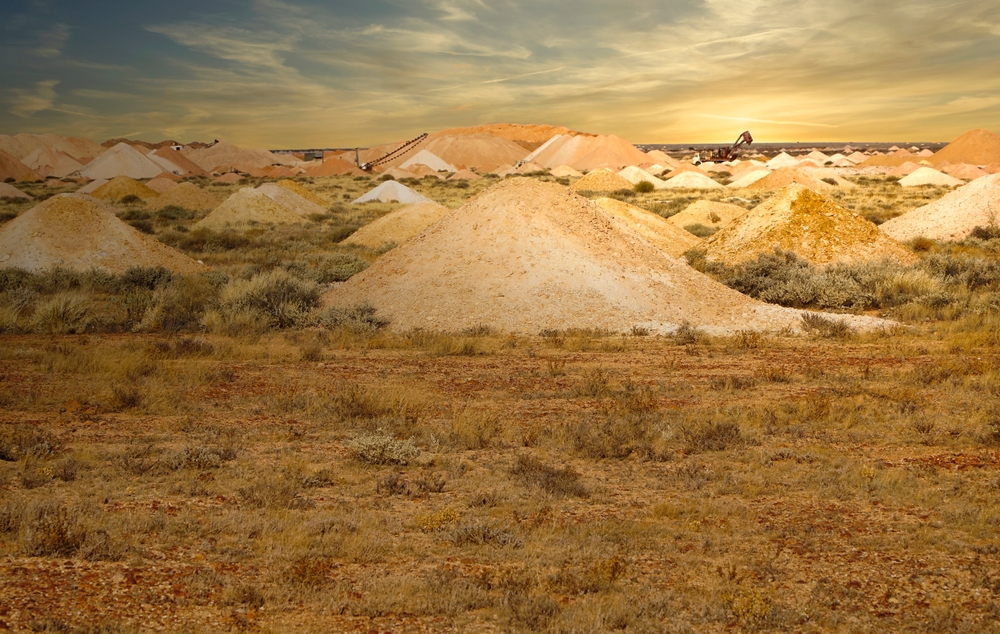
Coober Pedy is one of the world’s best-known opal-producing regions, and opal mining remains central to the town’s identity. The search for opal shaped the underground homes, working landscape, museums, shops and visitor experiences found across the town today.
Opal Noodling and Fossicking
Noodling involves sifting through waste piles of mullock left by miners, using only hand tools. There are still miners making a living from this method, so you genuinely never know what you might find. The town has designated noodling areas set aside for tourists. The opal fields themselves are dangerous – there are more than 1.5 million unguarded drill holes – so tourists should not venture near active fields without a guide. Several caravan parks and tour operators offer guided noodling as part of broader mine tours.
Best for: Families, first-time visitors and anyone who wants a hands-on activity without entering an active mining area.
Opal Shopping
Coober Pedy produces the largest amount of opal in the world by mass, and the town's opal shops are among the most authentic places in Australia to buy. Prices vary significantly by quality and stone type, so allow time to browse several shops and ask questions. Before making a purchase, ask:
- Is it a solid opal, a doublet or a triplet?
- Is the stone natural, synthetic or treated?
- Where was it mined?
- Is there a written description of the stone?
- Does the seller provide a detailed receipt?
- Can the seller explain the colour, pattern and quality grading?
For a high-value purchase, consider independent gemological advice and compare several reputable sellers before deciding.
Visit Kanku-Breakaways Conservation Park
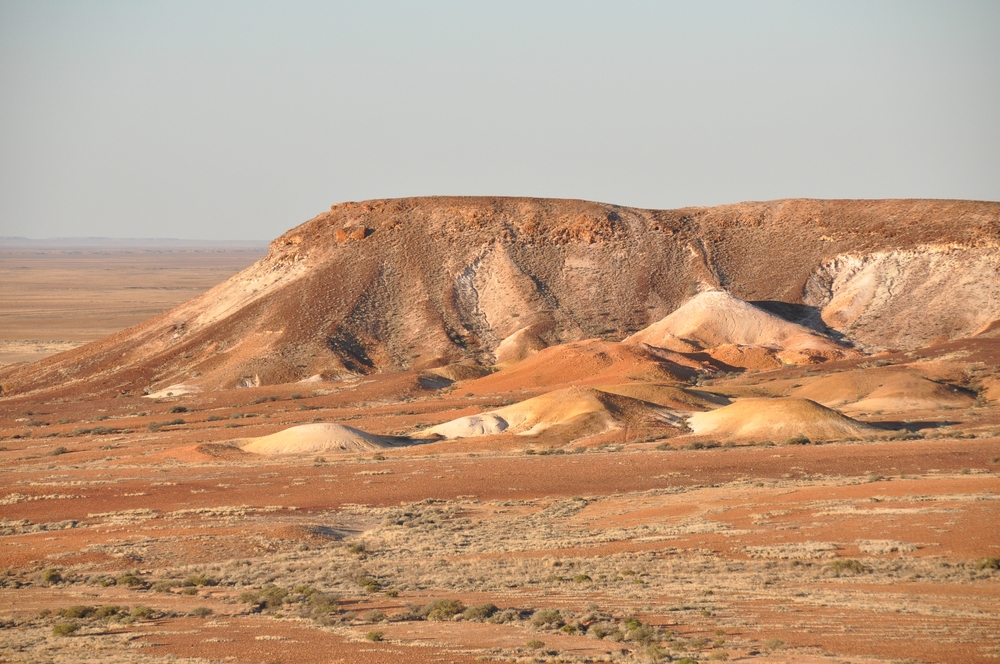
Kanku-Breakaways Conservation Park is one of the most rewarding excursions from Coober Pedy. Located around 25 kilometres north of town, it protects an expansive landscape of colourful mesas, low hills and stony desert plains.
The park forms part of the traditional Country of the Antakirinja Matuntjara Yankunytjatjara people. It is Aboriginal-owned and managed through a co-management arrangement involving its Traditional Owners, the District Council of Coober Pedy and the South Australian Government.
Allow at least half a day for the trip so you are not rushing between viewpoints. The colours are especially striking in softer morning or late-afternoon light, but access, weather and road conditions should determine your schedule.
Purchase the required entry permit and check the latest official park information before leaving town. National Parks and Wildlife Service South Australia also advises visitors to review the current Desert Parks Bulletin.
Caravan tip: The main access road from the Stuart Highway to the lookout is a 5-kilometre unsealed track that most caravans can manage when open. If you're towing, check current road conditions before setting out.
Practical Tips for RV Travellers
Remote-area preparation matters as much as choosing the attractions. Coober Pedy is accessible by sealed highway, but long distances, heat and unsealed side roads require a more deliberate touring plan.
RV travel tip | Why it matters |
Refill fuel before remote stages | Services are separated by long distances, so do not rely on reaching the next town with a low tank |
Carry more drinking water than your normal daily allowance | Heat, delays and mechanical problems can increase water needs |
Inspect tyres and the spare | Sharp stones, heat and unsealed roads place extra pressure on tyres |
Download offline maps | Mobile coverage can become limited beyond the town area |
Avoid driving at dawn, dusk and night where possible | Wildlife is more active and harder to see during low-light periods |
Check road and weather information | Rain can quickly affect unsealed access roads |
Unhitch before uncertain side trips | Leaving the caravan at a secure base may make unsealed excursions safer and easier |
Protect vents and seals from dust | Fine outback dust can enter cupboards, windows and appliances |
Plan rest breaks | Fatigue is a major risk on long, visually repetitive highway sections |
Keep emergency contacts accessible offline | Do not assume internet access will be available when needed |
Confirm potable-water and dump-point facilities | Do not rely on every campground or roadside stop offering both |
Check seasonal attraction hours | Some tours and attractions alter operating days outside peak travel periods |
For the full driving route, suggested stops and remote-area planning advice, see our Adelaide to Coober Pedy road trip guide.
Attraction hours, screening schedules, entry requirements and unsealed-road conditions can change. Check directly with the relevant operator, the Coober Pedy Visitor Information Centre and official park authorities before travelling.
Ready to Discover the Best Things to Do in Coober Pedy?
If you're travelling the Stuart Highway in a motorhome or towing a caravan, Coober Pedy is one of those rare places that's worth building your itinerary around rather than simply passing through. With underground attractions, dramatic outback scenery and well-equipped caravan parks, it's an easy place to slow down and spend a few days.
Explore the CamperAgent RV Super Centre range to start planning your outback adventure.
Frequently Asked Questions
What is Coober Pedy famous for?
Coober Pedy is famous for opal mining, underground homes, rock-cut churches and its surrounding desert landscape. Visitors can tour historic mines, see how local people live underground, and explore the nearby Kanku-Breakaways.
How long do you need in Coober Pedy?
Allow two days for the main underground attractions, opal experiences and Kanku-Breakaways. Three days is better if you want to add a tour, visit more museums, or explore at a slower RV travel pace.
What are the best free things to do in Coober Pedy?
Free or low-cost options may include town lookouts, the Steel Tree, browsing opal showrooms and visiting selected public or donation-based sites. Entry arrangements change, so confirm costs with the Visitor Information Centre and individual attractions.
Is Coober Pedy suitable for caravans and motorhomes?
Yes. The Stuart Highway approach is sealed and manageable for most rigs. Caravan parks in town offer powered sites, dump points and water. Outlying sites like the Kanku-Breakaways involve unsealed access roads – check conditions before travelling.
Where should I stay in Coober Pedy with a motorhome?
Choose a caravan park or campground that suits your vehicle size and the facilities you require, such as power, water access, amenities, and a dump point. Compare the main options in Camperagent’s Coober Pedy caravan parks guide before booking.
What is the best time of year to visit Coober Pedy?
April to October is generally the most comfortable period for outdoor sightseeing and remote-road travel. Summer can bring extreme heat, while attraction schedules and road conditions can vary throughout the year.
Is Coober Pedy worth visiting with children?
Yes. Family-friendly options include underground museums, designated noodling, Josephine’s Gallery and Kangaroo Orphanage, and the drive-in cinema when operating. Check age suitability, access and opening arrangements before visiting.
What is there to do in Coober Pedy at night?
Coober Pedy offers plenty to do after dark. Watch the sunset over the Kanku-Breakaway Conservation Park, enjoy a drink at one of the town's underground hotels or bars, catch a movie at the historic drive-in cinema, or take advantage of the outback's clear skies for some of Australia's best stargazing.